How to Manage Scoliosis Pain: Causes, Relief, and Treatment Options
Scoliosis affects more than posture. For many people, it causes daily discomfort that interferes with work, sleep, exercise, and movement. Pain may begin as stiffness or muscle fatigue, then become harder to ignore. The good news is that many patients can reduce symptoms and improve function through the right combination of care, exercise, and medical treatment.
Learning how to manage scoliosis pain starts with understanding why the condition causes discomfort. Once the source of pain is identified, treatment can be tailored to the patient’s spinal curve, symptoms, and lifestyle.
What Causes Scoliosis Pain?
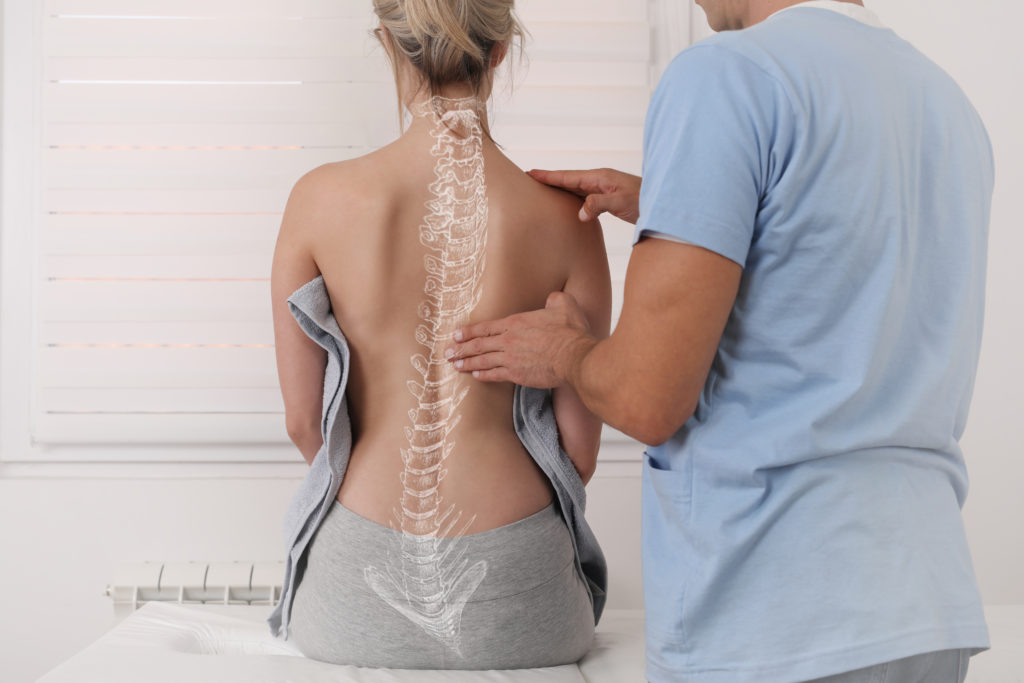
Scoliosis causes the spine to curve sideways, often with rotation. This uneven alignment places abnormal pressure on muscles, joints, discs, and nerves. As the body tries to stay balanced, some muscles become overworked while others weaken.
Pain levels vary from person to person. Some people with mild curves experience little discomfort, while others with advanced scoliosis develop chronic pain that affects daily life. The location and severity of symptoms often depend on the size of the curve and the area of the spine involved.
Muscle fatigue is one of the most common causes of discomfort. The muscles supporting the spine work harder to keep the body upright, leading to tightness, spasms, and soreness. Inflammation can also develop when spinal joints and discs experience uneven stress.
In some cases, scoliosis causes nerve compression. This may create burning pain, tingling, or numbness that travels into the hips or legs. Patients may also notice that symptoms become worse after long periods of standing, sitting, or physical activity.
Understanding back pain caused by scoliosis as well as the root cause of pain matters because treatment should address more than symptoms alone.
Common Symptoms of Scoliosis Pain
Scoliosis pain can appear in several ways depending on the location and severity of the curve. Some patients experience localized discomfort, while others develop radiating pain that spreads into nearby areas.
Lower back pain is one of the most common complaints in adult scoliosis. Mid-back pain may also develop when the thoracic spine is affected. Many patients also notice discomfort in the shoulders, neck, or hips due to uneven alignment.
Pain is not always sharp. Some people describe it as stiffness, muscle fatigue, or a deep ache that worsens throughout the day. Reduced flexibility and limited mobility are also common. Patients may notice difficulty bending, twisting, or remaining comfortable during daily tasks.
As scoliosis progresses, symptoms may become more noticeable. Standing for long periods, lifting objects, or walking long distances may trigger discomfort. Some patients also notice worsening posture, imbalance, or visible changes in shoulder and hip alignment.
Knowing what to do about scoliosis pain starts with recognizing when symptoms are becoming more severe. Persistent pain should not be ignored, particularly when it affects sleep, work, or daily activities.
Non-Surgical Ways to Manage Scoliosis Pain
Many patients find relief through non-surgical treatment options. The right plan depends on the severity of the curve, symptoms, and activity level.
Physical therapy is often one of the first recommendations. Targeted exercises can strengthen weak muscles, improve posture, and reduce strain on the spine. Physical therapists may also teach body mechanics that reduce pressure during daily movement.
Pain management strategies may include heat therapy, ice therapy, or anti-inflammatory medications. Heat can relax tight muscles, while ice may reduce inflammation after activity. Some patients may also benefit from massage therapy or guided stretching programs designed to reduce tension around the spine.
Lifestyle adjustments can also make a difference. Poor posture, prolonged sitting, and repetitive movements may increase stress on the spine. Small changes in workspace setup, sleeping position, and movement habits may help reduce flare-ups.
Maintaining regular movement throughout the day is key. Long periods of inactivity may increase stiffness and muscle fatigue. Patients are often encouraged to stay active while avoiding activities that place excessive strain on the spine.
Patients searching for what helps scoliosis often benefit from combining several treatment methods rather than relying on one solution alone.
Exercises That May Help Reduce Scoliosis Pain
Exercise can help reduce scoliosis-related discomfort when performed correctly. Strengthening and stretching programs support spinal alignment and reduce muscle imbalance.
Core strengthening exercises are commonly recommended because the abdominal and back muscles help stabilize the spine. A stronger core may reduce pressure on spinal joints and improve posture during movement.
Stretching may also improve flexibility and reduce tension in tight muscles on one side of the body. Many patients experience uneven muscle tightness due to the spinal curve, which can contribute to stiffness and soreness.
Low-impact activities such as walking, swimming, and guided yoga may help maintain mobility without placing excessive strain on the spine. These activities can also improve endurance and reduce fatigue during daily activities.
Patients often ask how to relieve scoliosis pain through exercise alone. While movement can help, improper exercises may worsen symptoms. High-impact activities or unsupervised weightlifting may place additional stress on the spine.
That is why guided exercise programs matter. A spine specialist or physical therapist can recommend scoliosis specific exercise based on the patient’s curve, pain level, and physical condition.
When to See a Specialist for Scoliosis Pain
Some scoliosis symptoms can be managed conservatively, but worsening pain should be evaluated by a spine or scoliosis specialist. Pain that interferes with work, sleep, or normal activity may indicate progression of the spinal curve or nerve involvement.
Neurological symptoms are another important warning sign. Numbness, tingling, weakness, or shooting pain into the arms or legs should never be ignored. These symptoms may suggest that nerves are being compressed by changes in spinal alignment.
Patients should also seek medical attention if posture changes become more noticeable. From uneven shoulders and worsening mobility to increasing spinal imbalance may all point to progression of the condition.
Early evaluation can help identify scoliosis treatment options before symptoms become more severe. Imaging and physical examination allow specialists to determine the exact source of pain and recommend targeted care.
Dr. Branko Prpa M.D offers effective treatment options for scoliosis in Milwaukee through specialized spine care focused on symptom relief and long-term spinal stability.
Advanced Treatment Options for Severe Scoliosis Pain
When non-surgical care no longer provides relief, advanced treatment may become necessary. Severe scoliosis can lead to significant pain, reduced mobility, and nerve compression.
Treatment recommendations vary depending on the patient’s age, spinal curve, symptoms, and overall health. Some patients benefit from injections or minimally invasive procedures aimed at reducing inflammation and nerve irritation.
In more advanced cases, spine surgery may be recommended. The goals of scoliosis surgery often include reducing pain, improving spinal alignment, stabilizing the spine, and preventing further curve progression.
Modern surgical techniques are designed to improve function while supporting recovery and long-term spinal balance. Surgeons evaluate spinal structure, nerve involvement, and patient goals before developing a treatment plan. Personalized planning helps determine which procedures may provide the best outcome for each patient.
Recovery varies depending on the severity of the condition and the type of procedure performed. Many patients experience gradual improvement in mobility and pain levels as healing progresses. When it comes to how to heal scoliosis, treatment often focuses on improving spinal stability, reducing pain, and restoring function rather than completely reversing the curve.
If you would like to see examples of how advanced spinal procedures may help reduce severe scoliosis symptoms, please review our real surgical cases and outcomes.
Living With Scoliosis: Long-Term Pain Management
Many people with scoliosis live active lives through proper symptom management and ongoing care. Managing back pain from scoliosis long-term depends on staying proactive and addressing symptoms early.
Regular exercise, posture awareness, and healthy movement habits can help reduce strain on the spine. Maintaining a healthy weight may also decrease pressure on spinal joints and muscles.
Some patients benefit from periodic physical therapy or follow-up evaluations to monitor changes in the spinal curve. Others may require treatment adjustments as symptoms change with age. Monitoring symptoms closely can help prevent smaller problems from becoming more severe.
Long-term scoliosis pain relief usually involves combining several strategies. Exercise, activity modification, medical treatment, and specialist guidance often work best together. Patients who stay engaged in their care are often better able to manage symptoms and maintain mobility.
For patients struggling with persistent discomfort or worsening symptoms, specialized spine care can make a meaningful difference. Living with scoliosis can make everyday activities more difficult, but Dr. Branko PRPA M.D. provides advanced spine care focused on helping patients reduce pain and improve mobility. From progressive spinal curves to complex deformities, we offer treatment plans tailored to each patient’s condition and lifestyle.
If managing scoliosis pain is affecting your quality of life, schedule a consultation with Dr. Branko PRPA M.D. today to explore your options.
FAQs
Can scoliosis pain go away on its own?
In some mild scoliosis cases, scoliosis pain may improve temporarily with rest, stretching, or changes in activity. However, the spinal curve itself does not correct naturally, so symptoms may return later. Persistent discomfort should be evaluated to determine the best long-term treatment plan.
What is the best position to relieve scoliosis pain?
Many patients feel more comfortable when the spine stays in a neutral position. Sleeping on the back with a pillow under the knees or on the side with a pillow between the legs may help reduce pressure on the spine. Good posture during sitting and standing also helps reduce strain.
Does scoliosis get worse with age?
Yes, scoliosis can progress as the spine ages and degenerative changes develop. Curves may become larger, leading to increased stiffness, severe pain, and mobility problems. Early monitoring and treatment may help slow progression.
Are there sleeping positions that help scoliosis pain?
Yes. Supportive sleeping positions may reduce pressure points and muscle tension. Many patients benefit from sleeping on the back or side while using pillows to support spinal alignment. Mattress quality and pillow support can also affect symptoms.
How do I know if I need surgery for scoliosis?
Surgery may be considered when pain becomes severe, symptoms worsen despite conservative treatment, or nerve pain develops. Significant spinal curvature affecting posture, balance, or daily function may also require surgical evaluation. A spine specialist can determine the most appropriate treatment based on imaging, symptoms, and overall spinal health.