Can Sitting Cause Back Pain? Relief & Prevention Tips
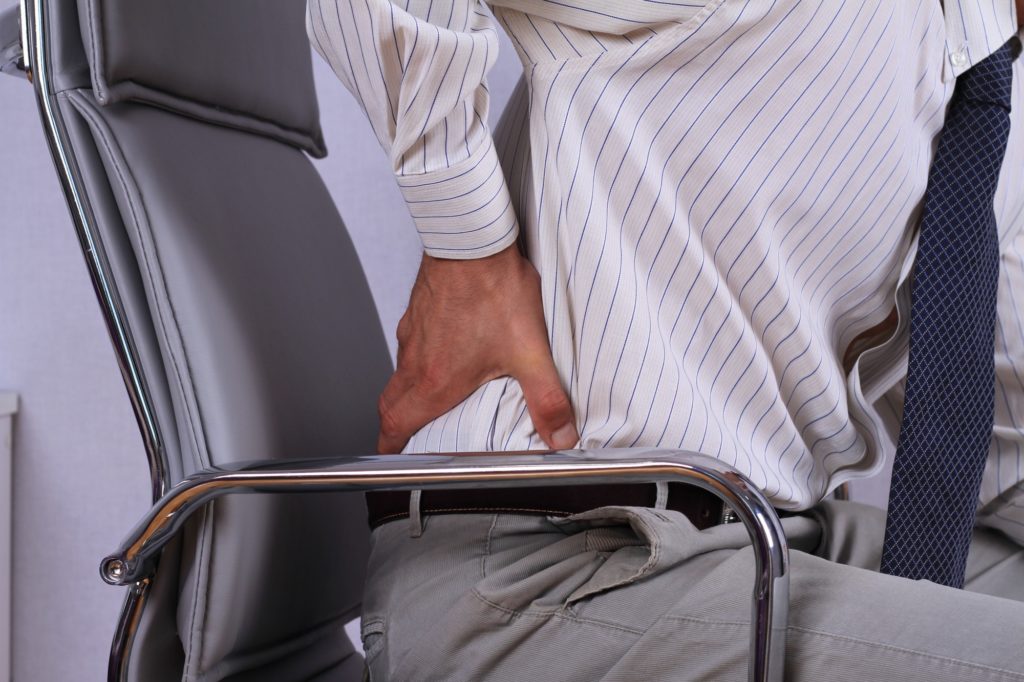
If you have ever noticed discomfort creeping in after a long day at your desk or on the couch, you are not imagining it. Sitting can cause back pain, and the reason has a lot to do with pressure and posture.
When you are sitting, especially for long periods, your spine is placed under more pressure than when you are standing. Your lower back discs actually experience increased compression in a seated position. That means the cushions between your vertebrae are working harder, which can lead to irritation over time.
You may also notice that your muscles are not doing much when you sit. Your core and back muscles are designed to support your spine, but prolonged sitting allows them to relax. When those muscles are not engaged, your posture often starts to slip. You might lean forward, round your shoulders, or slump into your chair. Bad posture creates strain on your spine and surrounding tissues, which can result in low back pain.
Modern life does not help either. Many people spend hours sitting at work, then sit during their commute, and then sit again at home. This constant sedentary pattern increases your risk of back pain.
How Prolonged Sitting Affects the Spine and Discs
When you sit for extended periods, your spine is not just passively resting. It is actually under stress. The lumbar spine, which is your lower back, bears a significant amount of load in a seated position. This is especially true if you are leaning forward or slouching.
Your spinal discs act like shock absorbers. When you sit, particularly with poor posture, the pressure inside these discs increases. Over time, this can contribute to wear and tear. It may even speed the development of conditions like degenerative disc disease or a herniated disc. While sitting alone does not directly cause these issues, it can accelerate the process if other risk factors are present.
When considering what causes back pain while sitting, increased disc pressure and a lack of support from surrounding muscles are the main issues, but they’re not the only causes. Other factors include:
- Forward head posture from looking down at screens, which shifts your head forward and strains the neck and upper spine
- Strain that can travel from the upper spine down into the lower back
- Reduced blood flow from prolonged sitting, which limits oxygen and nutrients to spinal tissues
- Muscle stiffness and irritation due to poor circulation
Have you ever wondered: Why does my back hurt when I sit down? It often comes down to this combination of these factors as well as pressure, poor posture, and lack of movement. If you are experiencing frequent back pain when sitting, it may be your body signaling that your spine is under more stress than it can comfortably handle.
Poor Posture vs. Structural Spine Conditions
It is very common to wonder whether your pain is simply from poor posture or something more serious. The truth is that both can feel similar at first.
Muscular strain from poor posture is often temporary. You might feel soreness, stiffness, or fatigue in your lower back after sitting too long. This type of discomfort usually improves when you stand up, stretch, or move around.
However, structural conditions are different. These involve changes to the spine itself, such as disc issues or nerve compression. If you are dealing with symptoms like sharp pain, numbness, tingling, or weakness, it may not just be posture.
For example, pain that travels down your leg could be related to sciatic nerve pain. This happens when a nerve in your lower back becomes irritated or compressed. Similarly, a disc herniation can cause more persistent and intense symptoms.
A good way to think about it is this: If your lower back hurts when sitting but improves quickly with movement, posture is likely the main issue. If the pain lingers, worsens, or includes nerve symptoms, it may be time to take a closer look.
Red flags to watch for include persistent pain or weakness that interfere with daily activities. These signs suggest that your body may need more than just a posture adjustment.
Common Conditions Linked to Prolonged Sitting
Sitting itself does not directly cause certain spine conditions, but it can make existing problems worse or increase your risk for some of them over time.
Sciatica is one of the most common issues linked to prolonged sitting. Understanding sciatica nerve pain can involve many factors, but when you sit for long periods, especially on a hard surface, it can irritate the sciatic nerve. This can lead to pain that radiates from your lower back down your leg.
Spinal stenosis is another condition that can worsen with sitting. This involves a narrowing of the spinal canal, which puts pressure on nerves. While sitting may temporarily relieve symptoms for some people with spinal stenosis, prolonged sitting can still contribute to stiffness and pain.
Another condition, spondylolisthesis, where one vertebra slips over another, can also be affected by prolonged sitting. Weak core muscles and poor posture can contribute to instability in the spine. In many of these cases, sitting is not the root cause, but it can aggravate symptoms.
How to Prevent Back Pain from Sitting
The good news is that there are simple steps you can take to reduce your risk of pain. Here are some top tips:
- Start with your chair. The best chair for back pain is a supportive one with proper lumbar support.
- Sit up straight. Try to sit with your feet flat on the floor, your knees at hip level, and your back supported. Avoid slouching or leaning forward.
- Take breaks often. Standing up every 30 to 60 minutes can relieve pressure on your spine and improve circulation. Even a short walk can help.
- Strengthen your core. Core strengthening exercises for the back are key to helping support your spine and reduce strain.
- Stretch often. Gentle movements like stretches to help with back pain relief can loosen tight muscles and improve flexibility.
Small changes in your daily habits can go a long way in preventing back pain when sitting.
When Sitting-Related Back Pain Becomes Chronic
Occasional discomfort is common, but ongoing pain is something you should not ignore.
If your pain lasts more than a few weeks, keeps coming back, or starts interfering with your work or sleep, it may be considered chronic. At this point, it is important to take it seriously.
Chronic pain often means that something more than posture is involved. It could be inflammation, muscle imbalance, or an underlying spinal condition.
If you are dealing with persistent lower back pain from sitting, it may be time to seek guidance to help you manage chronic back pain so it doesn’t get worse.
Non-Surgical Treatments for Sitting-Related Back Pain
Most cases of sitting-related back pain can be treated without surgery. Some upper back pain treatments that are non-surgical include:
- Physical therapy: A therapist can help you improve posture, strengthen your core, and correct movement patterns that contribute to pain.
- Anti-inflammatory strategies: This may include medications, lifestyle changes, or targeted exercises to reduce swelling and irritation.
- Activity modification: This means adjusting your daily habits to reduce strain on your spine while still staying active.
- Epidural injections: These can reduce inflammation around irritated nerves.
Surgery is usually a last resort and only recommended when conservative treatments are not effective.
When to Seek a Spine Specialist in Milwaukee
There are times when it is important to seek specialized care.
If you are experiencing progressive weakness, severe pain, or symptoms that do not improve, it may be time to see a spine specialist.
Certain symptoms require urgent evaluation, including:
- loss of bowel or bladder control
- significant weakness
- severe nerve pain
These are rare but serious signs that should not be ignored. If your pain continues despite trying basic treatments, getting an accurate diagnosis is key.
If you are ready to take the next step, you can contact us to schedule an evaluation.
FAQs
- Can sitting too long cause permanent back damage?
Prolonged sitting alone does not usually cause permanent spinal damage, but it can contribute to disc degeneration, muscle imbalance, and chronic inflammation over time. If sitting is combined with poor posture and a sedentary lifestyle, it may increase the risk of developing structural spine conditions such as herniated discs or spinal stenosis. Persistent or worsening symptoms should be evaluated by a spine specialist. - How many hours of sitting is too much for your back?
There is no exact number that applies to everyone but sitting continuously for more than 30 to 60 minutes without movement can increase spinal pressure and muscle strain. Breaking up long periods of sitting with short standing or walking breaks helps reduce stress on the lumbar spine and improves circulation to spinal tissues. - Why does my lower back hurt more when I sit than when I stand?
Sitting increases pressure on the lumbar discs, especially when posture is slouched or unsupported. Leaning forward shifts more load onto the lower back, which can aggravate irritated nerves or weakened discs. Standing typically distributes weight more evenly and activates stabilizing muscles, which can temporarily relieve pressure. - Can sitting cause a herniated disc?
Sitting itself does not directly cause a herniated disc, but prolonged sitting, especially with poor posture, can increase disc pressure and accelerate degenerative changes. Over time, this added stress may contribute to disc weakening, which increases the likelihood of herniation in individuals who are already at risk. - What is the best way to relieve back pain from sitting all day?
Relief often starts with improving posture, using proper lumbar support, and adjusting desk ergonomics. Standing breaks every 30 to 60 minutes, core strengthening exercises, and regular stretching can significantly reduce strain on the spine. If pain persists despite these measures, a medical evaluation may be necessary to rule out underlying structural conditions.