Understanding Spinal Bone Spurs and the Benefits of Back Surgery
What Are Bone Spurs on the Spine?
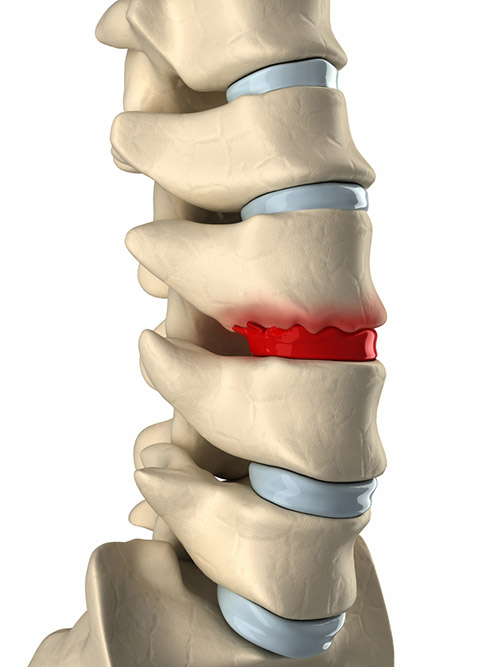
An osteophyte, or what’s more commonly known as a bone spur, is a common and oftentimes painful medical condition that’s characterized by the formation of a bony projection on the joints. While bone spurs can form on any joint, they are most common on the spine. Thankfully, there are several treatment options available, including back surgery.
Contrary to what some people may believe, bone spurs themselves don’t necessarily cause pain. Rather, they contribute to other conditions that can be a source of back pain. If a bone spur pushes against a nerve, for instance, it can produce pain, tingling sensations, and sensitivity. The good news is that you can typically eliminate the associated pain by having the bone spur surgically removed.
What Causes Spinal Bone Spurs?
Degenerative arthritis is one of the most common causes of bone spurs in the back. The human spinal column is a complex structure, consisting of 33 bones and numerous other ligaments and connective tissue. When the area where bone and cartilage meet becomes inflamed—through arthritis or other injuries/conditions—it may produce a bone spur.
Inflammation stimulates the body’s bone-producing cells, causing them to produce extra bone deposits in the affected area. This is why degenerating intervertebral discs are a common area in which bone spurs occur. When the joint becomes inflated, bone-producing cells work overtime, which leads to bone spurs.
Of course, age is another risk factor of spinal bone spurs. Our bodies go through countless changes as we age, including the degradation of tissue and protective cartilage. As our spinal column loses some of its natural support due to age, it can also increase the risk of a bone spur.
Bone spurs aren’t limited strictly to the spine, however. They can occur in other joints throughout the body, such as the bottom of the foot (known as heel spurs). These are often as painful, with many people unable to walk with them.
Symptoms of Spinal Bone Spurs
Not all bone spurs cause symptoms. Many are discovered incidentally on imaging studies and never require treatment. When symptoms do occur, they are usually caused by the spur pressing on a nerve, the spinal cord, or nearby soft tissue rather than the spur itself. At times, a spinal bone spur may contribute to nerve compression, radiculopathy, or spinal stenosis. Repetitive lifting, workplace injuries, and degenerative changes can also accelerate the process.
Cervical Bone Spur Symptoms
Bone spurs in the cervical spine may cause:
- Neck pain and stiffness
- Headaches at the base of the skull
- Pain radiating into the shoulders or arms
- Numbness or tingling in the hands
- Weakness or loss of grip strength
Thoracic Bone Spur Symptoms
Thoracic bone spurs are less common but may cause:
- Mid-back pain
- Stiffness between the shoulder blades
- Pain that wraps around the rib cage
- Discomfort with prolonged standing or twisting
Lumbar Bone Spur Symptoms
Many cases of bone spurs in back occur in the lumbar spine, where they may cause:
- Lower back pain and stiffness
- Pain that worsens with standing or walking
- Numbness or tingling in the legs or feet
- Weakness in the lower extremities
- Symptoms similar to sciatica
Patients should seek prompt medical attention if symptoms include progressive weakness, foot drop, loss of bowel or bladder control, or “saddle anesthesia.”
How are Spinal Bone Spurs Diagnosed?
There are several ways to detect and diagnose spinal bone spurs. X-rays are used extensively for this purpose, but alternative methods include ultrasound imaging, CT scans, MRI scans, and pyelograms.
Surgical Treatment for Spinal Bone Spurs
It’s important to note that not everyone who suffers from spinal bone spurs are suitable candidates for surgery. If you don’t experience pain, inflammation, or any other adverse symptoms, it’s probably best to avoid surgery. Furthermore, existing medical conditions like high blood pressure, heart disease, and diabetes may omit a patient from a candidacy.
Unfortunately, though, many people who suffer from spinal bone spurs experience pain and discomfort. Non-steroidal anti-inflammatory drugs (NSAID) may offer some pain relief, but it’s only a short-term solution that masks the problem rather than treating the underlying cause. The only permanent solution that actively treats the problem rather than masking its symptoms is surgery.
Surgery for spinal bone spurs, including laminectomy, is intended to relieve pain and associated symptoms by surgically removing the bone spurs. If you experience severe and/or chronic back pain caused by a bone spur, consult with a surgeon to learn more about the different treatment options.
Many patients report significant improvement in their pain levels after undergoing surgery. The surgeon will first take the necessary images to determine the bone spur’s exact location. Using this information, he or she will recommend a customized procedure to remove the bony projection.
Hopefully, this gives you a better understanding of spinal bone spurs and the surgical options to treat them. To learn more about surgical and non-surgical treatment options for bone spurs, contact us today.
Frequently Asked Questions About Spinal Bone Spurs
Do bone spurs go away on their own?
No. Once formed, bone spurs do not disappear without treatment. Conservative care may reduce inflammation and nerve irritation, but the bony growth remains.
Are spinal bone spurs the same as a herniated disc?
No. A herniated disc involves damaged disc material, while a bone spur is an overgrowth of bone. Both conditions can produce similar symptoms and often require imaging for an accurate diagnosis.
Does workers’ compensation cover spinal bone spur treatment?
Yes, if the condition is caused or aggravated by a workplace injury. Repetitive lifting and job-related trauma can contribute to spinal degeneration and symptom development.
How long does recovery from bone spur surgery take?
Recovery varies based on the procedure. Patients undergoing decompression surgery often return to many activities within several weeks, while recovery from spinal fusion may take several months. For patients asking, “is bone spur surgery painful,” temporary soreness is expected, but nerve-related symptoms often improve quickly after surgery.
Can bone spurs come back?
Yes. While surgery removes existing spurs, it does not stop the underlying degenerative process.
What causes bone spurs in your back?
In most cases, age-related arthritis, disc degeneration, repetitive stress, and prior injuries contribute to their development.
What happens if a spinal bone spur is left untreated?
When symptoms are mild, monitoring may be appropriate. However, ongoing nerve compression can lead to chronic pain, weakness, and permanent nerve damage. Seeing a spine specialist early can help prevent worsening symptoms.